Building New Jersey’s Digital Future
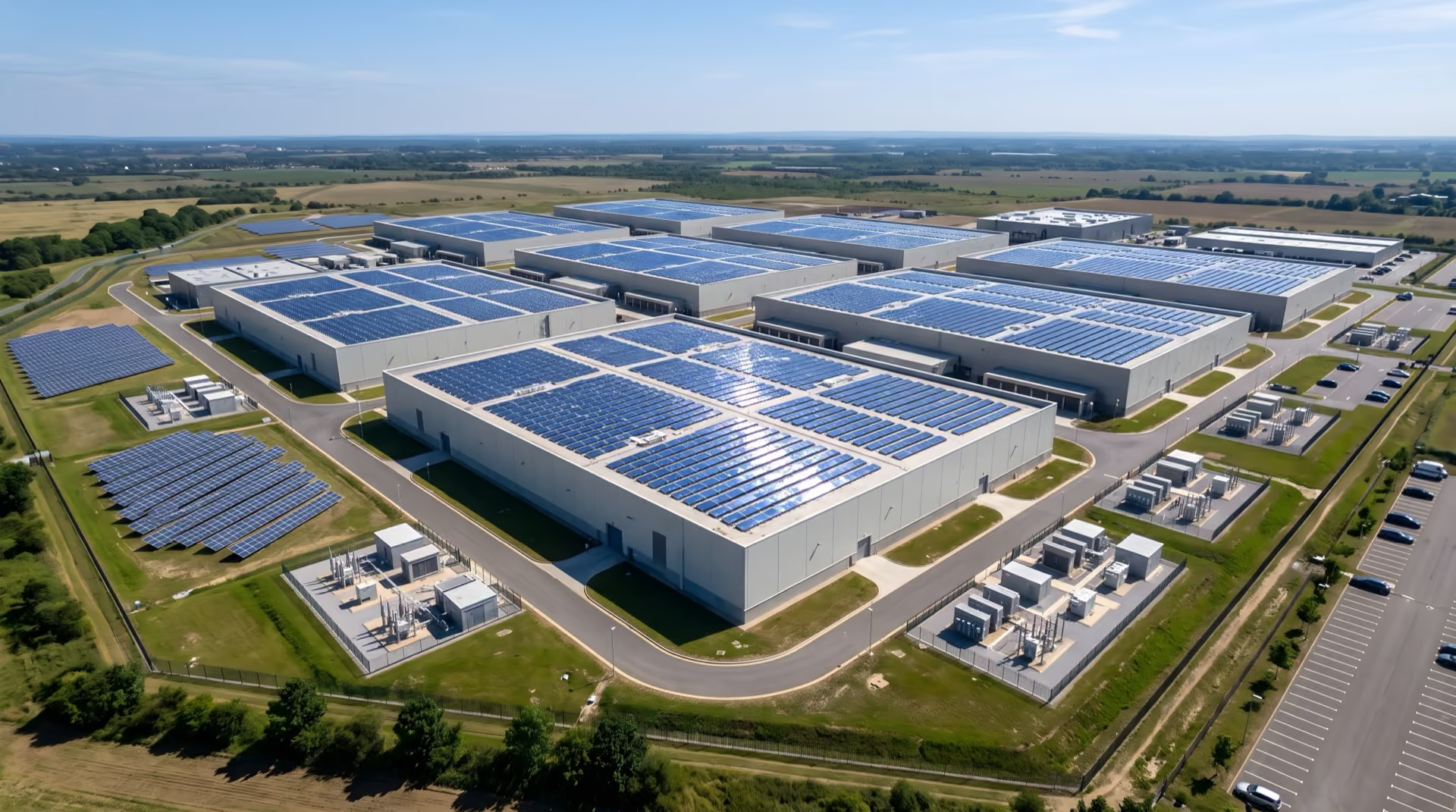
Data centers power services we rely on every day, from online banking and education to hospitals, emergency services, local businesses, cloud services, and emerging technologies.
They are physical infrastructure, not an abstract “cloud,” and where and how they are built has real consequences for workers, ratepayers, and communities.
As demand for digital services grows, New Jersey has an opportunity to capture good union construction careers, expand apprenticeship pathways, and strengthen its infrastructure. But development is not automatically a public benefit. Projects must meet enforceable standards for local hiring, energy and water use, infrastructure costs, environmental protection, and community transparency.
Let’s make sure any data center built in New Jersey is built responsibly, pays its fair share, protects host communities, and creates real opportunities for New Jersey workers.
Community Concerns Should Be Taken Seriously
Many people have had questions about water use, electricity, noise, and how data centers may have an effect on their communities. These are valid questions.
Modern data centers are becoming more efficient. Many use newer cooling systems that recycle water or use very little water for cooling. Data centers also pay for electricity and can help support upgrades to the electric grid.
Communities should expect the following out of data center developers:
Use Water Responsibly
Disclose projected annual and peak-day use, cooling technology, and drought operations.
Control Noise
Sound modeling and limits set before approval, with baseline measurements and monitoring after.
Support Infrastructure
Pay the project’s full, fair share of utility and public infrastructure costs.
Protect The Environment
Address emissions, wetlands, habitat, setbacks, and traffic through enforceable conditions.
Be Open About The Project
Engage residents before decisions are final, during construction, and after operations begin.
We Can Do Both
We should not be ignoring community concerns, but also we should not be turning away good jobs and economic opportunities.
New Jersey can create good jobs while also protecting local communities. With strong labor standards, responsible planning and clear community protections, data centers can create good paying jobs, put people to work, support local businesses, strengthen communities, and build technology that we rely on each and every day.
Data Center FAQs
Data centers support technology that we use every day. There are numerous questions about the demands created by these facilities, but the topic is much more nuanced. Both sweeping opposition and blanket promises are obscuring important facts.
Impacts of data centers vary widely by facility, so New Jersey residents deserve clear, project-specific information, independent review, and commitments that can be enforced.
A data center is a secure physical facility that houses computer servers, storage systems, networking equipment, and the electrical, cooling, fire suppression, and backup power systems needed to operate them. Data centers make services such as online banking, electronic medical records, school platforms, emergency communications, streaming, cloud storage, business applications, and AI possible.
“The cloud” is not weightless or virtual. It depends on buildings, equipment, electricity, water, or other cooling resources, and skilled workers. That is why hiring and operating standards matter.
Demand for data processing is growing across households, businesses, hospitals, schools, government agencies, and emerging technologies. New Jersey is well-positioned for development because of its skilled workforce, location, telecommunications infrastructure, and proximity to major economic centers. But growing demand is not a reason to approve every project, subsidize development without a clear return, or place a facility in an unsuitable location. Each proposal should undergo project-specific review and demonstrate that its jobs, tax revenue, infrastructure plan, and community benefits justify its impacts and any public incentives.
Construction can employ electricians, plumbers, pipefitters, carpenters, laborers, operating engineers, ironworkers, HVAC technicians, engineers, and other skilled union professionals. Once operational, facilities may employ technicians, engineers, security personnel, facility managers, maintenance workers, and other professionals. Construction jobs and permanent operating jobs are different and should not be combined into one headline number.
Employment varies considerably by project size, design, construction duration, and operating model. Developers should disclose full-time equivalent estimates, job duration, wage and benefit levels, local hire assumptions, and the methodology behind their projections.
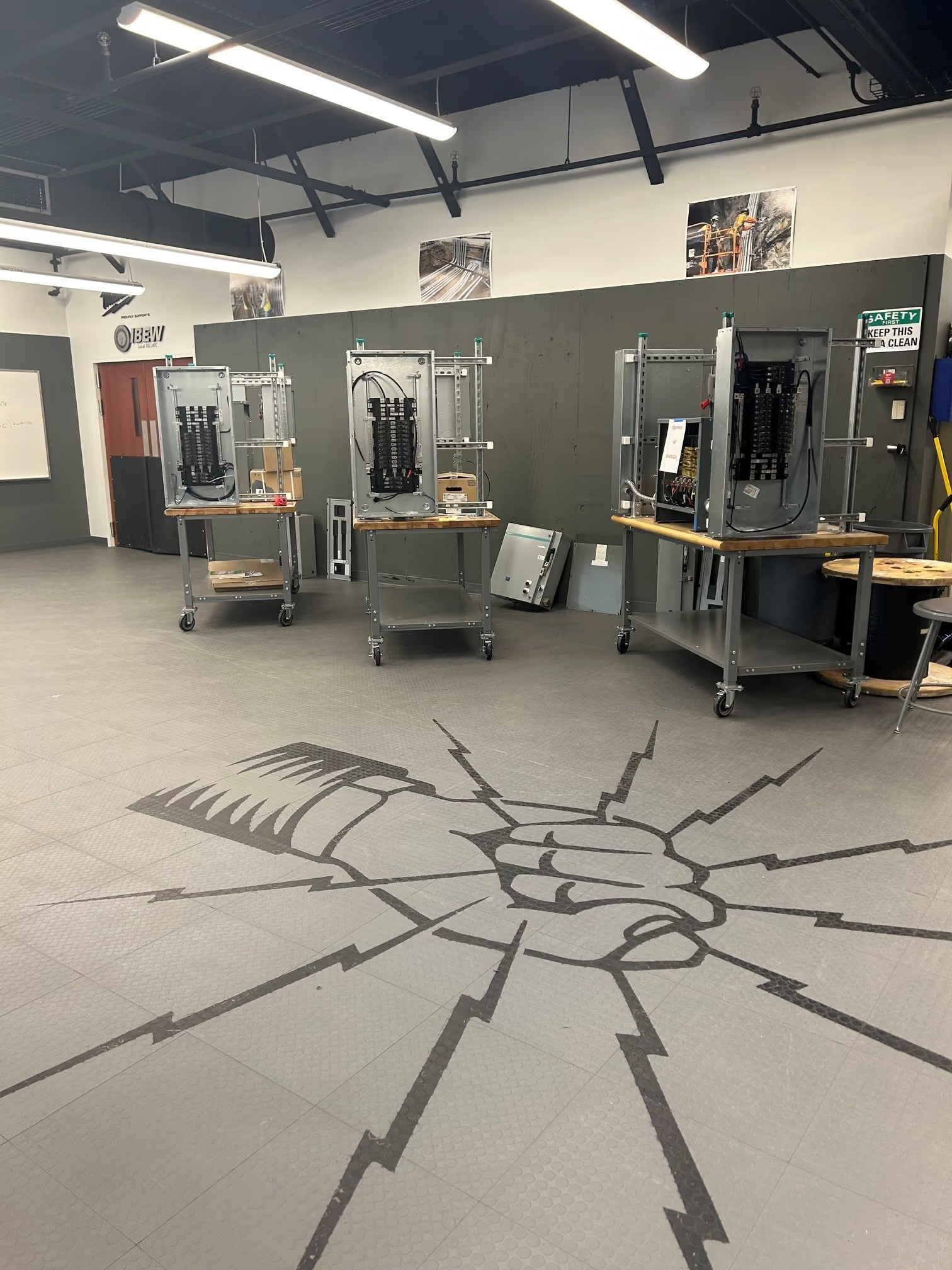
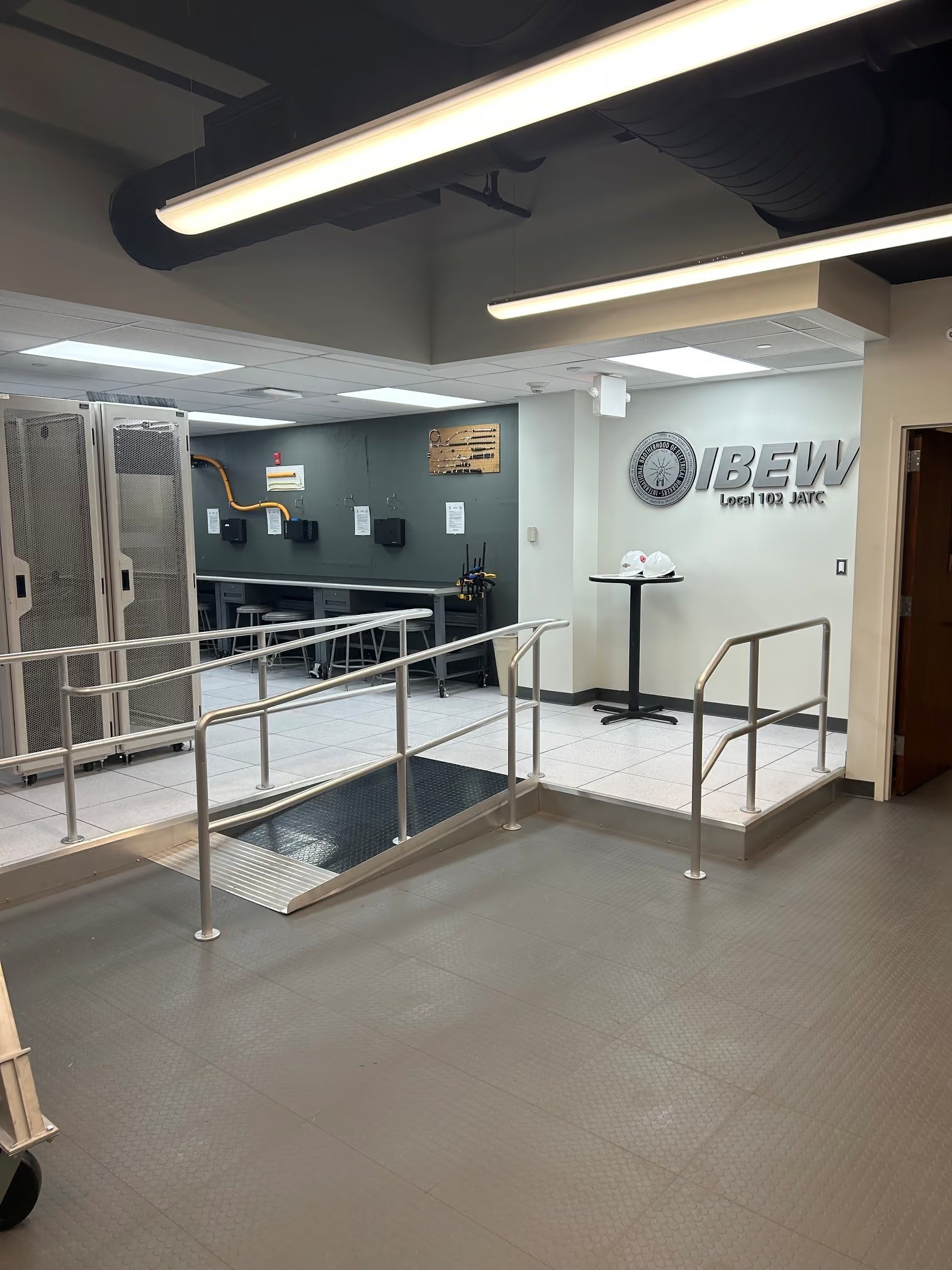
Data centers are complex, power-intensive facilities that require precise construction and strict safety practices. Union workers complete extensive classroom and on-the-job training and bring established safety, wage, benefit, and apprenticeship standards. Union construction is an important part of responsible development, but it does not substitute for scrutiny of energy, water, land use, emissions, tax incentives, or neighborhood impacts. Jersey Jobs First supports both high labor standards and strong community and environmental protections.
A project located in New Jersey does not automatically employ New Jersey residents. Local access should be a clear expectation. Jersey Jobs First supports project labor agreements (PLAs), local hiring commitments consistent with applicable law, partnerships with registered apprenticeship programs, outreach to historically excluded workers, and public reporting.
Developers seeking public support or community approval should explain who will be hired, how workers will be trained, how results will be measured, and what happens if commitments are missed.
Large data centers can require substantial and continuous electricity, but demand varies by facility size, workload, equipment, efficiency, and operating practices. Claims that data centers are either harmless to the grid or cause failure are too broad. Utilities and regulators should evaluate the actual load, connection timeline, generation and transmission needs, reliability risks, efficiency measures, and opportunities for flexible demand. Projects should not receive service until the grid can support them reliably, and developers should fund costs directly attributable to connecting and serving their facilities.
They should not, but protection is not automatic. Rate effects depend on the size and timing of new demand, required grid investments, and who bears the risk if projected demand changes. New large loads can help spread some fixed system costs, but only if rates and contracts recover the full cost of serving them and protect other customers from stranded investments. Jersey Jobs First supports transparent utility planning, project-specific cost allocation, minimum payment and other consumer safeguards where appropriate, and regulatory oversight that prevents households and small businesses from subsidizing private development.
Water use varies dramatically by cooling technology, climate, operating conditions, and the way electricity is generated. Some facilities use evaporative cooling. Others use closed-loop, air-cooled, hybrid, or other systems that can reduce direct on-site consumption.
“Waterless” may describe on-site cooling while overlooking water used elsewhere in the energy supply, so definitions matter. Developers should disclose projected annual and peak-day use, source and water quality, cooling technology, drought operations, wastewater impacts, and both direct and relevant indirect water demands. Commitments should be public, measurable, and enforceable, and projects should not compromise drinking water supplies or other community needs.
These are legitimate, site-specific concerns, not issues that can be resolved with a generic assurance. Review should address construction traffic, equipment and cooling noise, backup generator testing and emissions, lighting, setbacks, wetlands and habitat, visual impacts, emergency response, and compatibility with nearby homes and businesses. Claims about property values should be supported by local evidence rather than assumed in either direction. Approvals should require appropriate siting, sound modeling and limits, emissions controls, traffic and emergency plans, environmental protections, baseline measurements, ongoing monitoring, and a clear complaint and enforcement process after operations begin.
Responsible development balances economic opportunity with enforceable protections for workers, ratepayers, natural resources, taxpayers, and host communities. Sustainability labels, voluntary goals, projected tax revenue, or large investment figures are not substitutes for project-specific evidence. Responsible growth puts commitments in permits, agreements, or other enforceable documents, reports performance publicly, and establishes consequences when promises are not kept.
For Jersey Jobs First, that means:
Employing skilled local union workers through enforceable labor and hiring commitments
Supporting registered apprenticeship programs with measurable participation goals
Providing safe working conditions, responsible contracting, and family-sustaining compensation
Disclosing expected energy demand, water use, cooling systems, backup generation, and emissions, and reporting actual performance where feasible
Paying the project’s full, fair share of utility and public infrastructure costs
Protecting residents from unreasonable noise, traffic, pollution, water stress, service disruptions, and rate impacts
Complying with strong labor, utility, land use, and environmental standards
Creating measurable community benefits and demonstrating that tax incentives, if any, produce a clear public return
Engaging residents before decisions are final, throughout construction, and after operations begin with transparent monitoring and enforcement
New Jersey Work, By New Jersey Workers
The Future of New Jersey, Built by the People Who Live Here.
Stay informed